The Problem

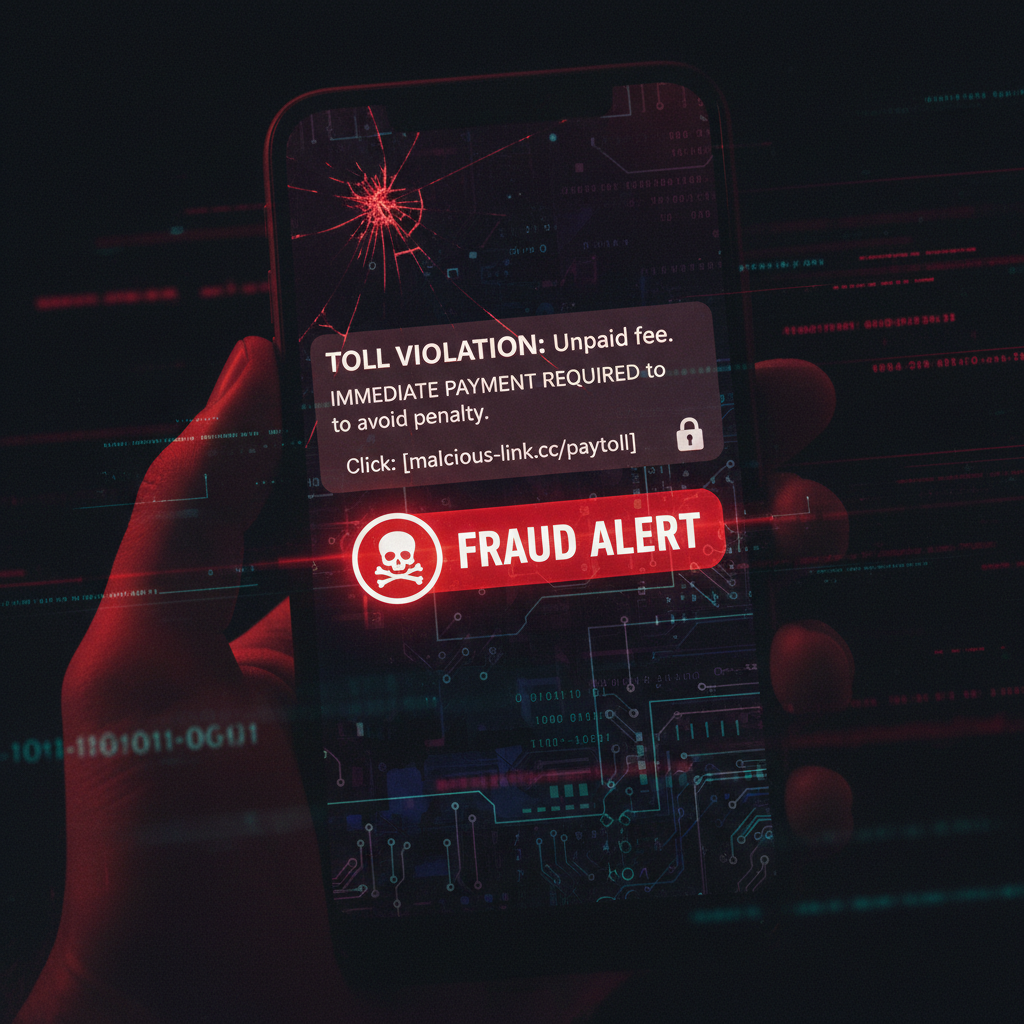
Toll and parking scams have been around for years, but the latest generation is far more dangerous. Criminals are now deploying automated SMS blasting platforms that send millions of messages per day, each one personalized with your name, a fake violation amount, and a convincing government-lookalike domain.

These attacks, known as smishing (SMS phishing), have surged over 400% since 2023. The scammers behind them are largely operating from overseas fraud syndicates — many based in Southeast Asia — using stolen customer data lists to make their messages feel alarmingly specific.

The emotional trigger is key: the fear of a warrant, a DMV hold, or a license suspension forces fast, panicked action. That urgency is engineered. It's designed to bypass your critical thinking.

Real-World Examples

// EXAMPLE: E-ZPass Smishing
A text arrives: "E-ZPass: Outstanding toll balance of $3.47. Failure to pay by [date] will result in a $35 fine and license suspension. Pay now: ezpass-tolls-secure[.]com". The link opens a near-perfect copy of the real E-ZPass site — complete with logos and a payment form that harvests your card number and billing address.
// EXAMPLE: Municipal Parking Authority
"City of Denver Parking Enforcement: Unpaid citation #DPE-229817 — $28.00. A $75 late fee will apply after 72 hours. Resolve at: denver-parking-citations[.]net". The domain was registered 3 days prior and resolves to a Shopify-hosted fake payment portal.
// EXAMPLE: SunPass / FasTrak Variants
Florida and California drivers are heavily targeted with SunPass and FasTrak impersonation texts. Victims report losing between $200 and $4,500 after entering full payment credentials and then receiving additional charges.

What makes these especially dangerous: the amounts are small. A $3–$28 charge feels realistic. The low dollar value disarms skepticism and makes victims less likely to verify before paying.

How to Protect Yourself

Never click links in unsolicited texts claiming to be from a toll authority or parking agency. Go directly to the official website by typing it yourself — E-ZPass is ezpassny.com, SunPass is sunpass.com.
Real toll agencies will never threaten immediate license suspension via text. If you receive one of these, call the agency directly using the number on their official website.
Check the sending number. Legitimate agencies use short codes or known business lines. A random 10-digit mobile number or foreign-looking number is an immediate red flag.
If you already clicked the link and entered your card details, call your bank immediately to dispute and freeze the card. Report the scam to the FTC at reportfraud.ftc.gov and forward the text to 7726 (SPAM) to alert your carrier.

On iPhone, go to Settings → Messages → Filter Unknown Senders. On Android, use the built-in spam filter in Google Messages. These won't catch everything, but they reduce exposure significantly.