The Problem
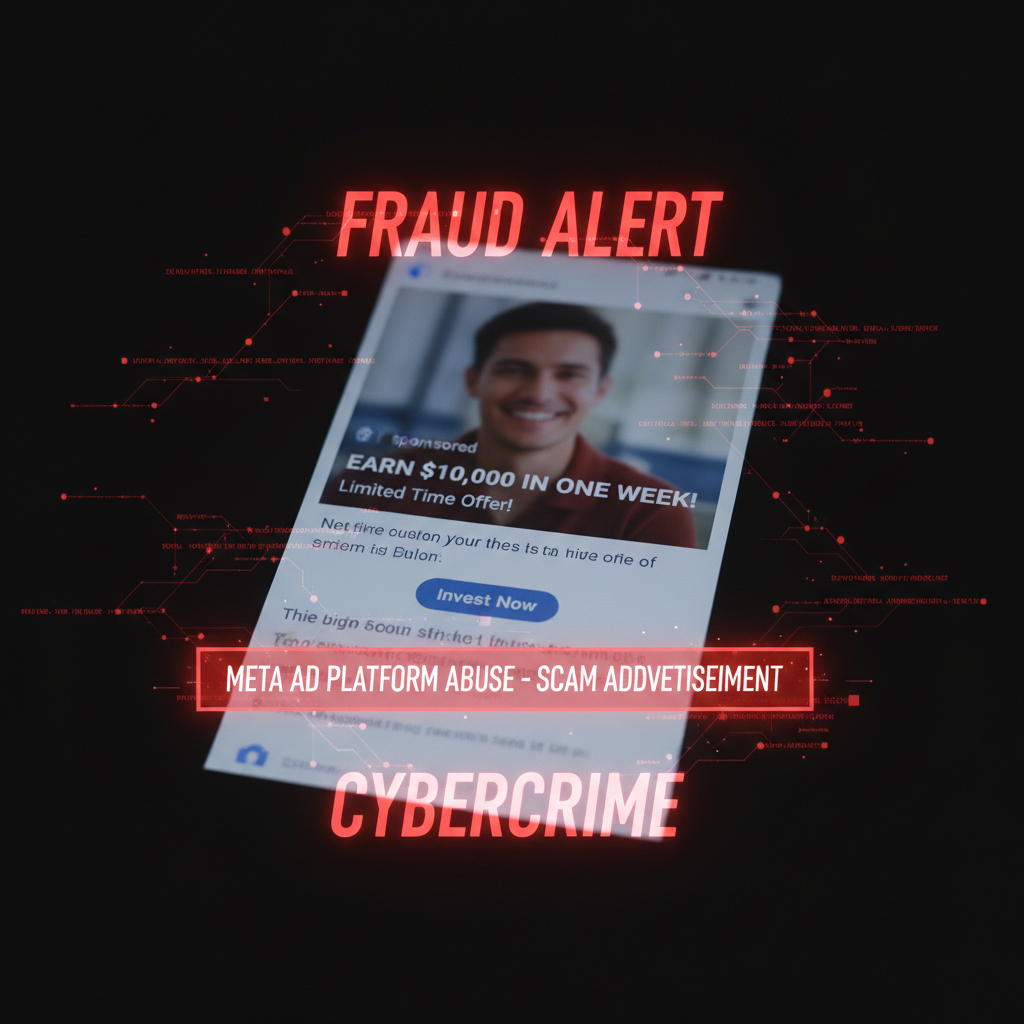
Paid advertising platforms — Facebook, Instagram, Google, YouTube — were designed to help legitimate businesses reach customers. But they've become one of the most effective distribution channels available to scammers, because ad platforms prioritize payment over verification.
Tech support scammers can purchase highly targeted ad placements that appear indistinguishable from legitimate sponsored content. They target older demographics, people who've recently searched for tech help, and users of specific software products.
How These Scams Play Out
// EXAMPLE: Fake Microsoft Support Ad
A Facebook ad: "Microsoft Security Alert — Your device may be infected. Call our certified technicians now." The call center instructs victims to install remote access software, shows them fake "virus infections" in Event Viewer, and charges $200–$500 for "removal."
// EXAMPLE: Counterfeit Software Downloads
Sponsored posts advertise "free" versions of Adobe Photoshop or antivirus tools. The download installs a bundled malware package — often an info-stealer — alongside a non-functional version of the software.
How to Protect Yourself
Download software only from the official vendor's website — never from an ad or social media link. Bookmark the official sites you use regularly.
Tech companies like Microsoft, Google, and Apple do not proactively contact you about infections. If someone claiming to be from their support team contacts you unsolicited — by phone, text, ad, or pop-up — it is a scam. Hang up. Close the window.